
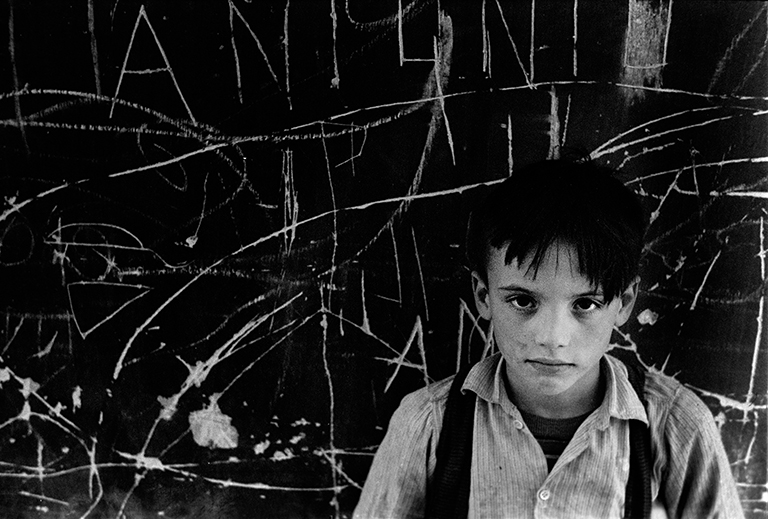
Carlos Pérez Siquier
La Chanca, Almería, 1960.
Later print, gelatin silver print.
Fundación Mapfre Collections
© Pérez Siquier, VEGAP, Barcelona, 2026
Pérez Siquier. Fundación Mapfre Collections
From February 26 to May 24, 2026
Discover the exhibition
The career of Carlos Pérez Siquier, which spans more than six decades, is defined by an intuitive, committed gaze and a pioneering role within the Spanish artistic avant‑garde. From his native Almería, he developed a free and poetic body of work, far removed from the trends dictated by major cultural centers such as Barcelona or Madrid. After founding the Agrupación Fotográfica Almeriense (AFAL) in 1950 and, a few years later, its namesake magazine together with José María Artero, the artist played a key role in modernizing photography in a nation isolated and paralyzed after the civil war and subsequent dictatorship. He also gave visibility to an entire generation of photographers who were only then beginning to be recognized as artists.
Starting in 1956 and influenced by Neorealist cinema, Pérez Siquier embarked on his first major project, La Chanca, in which he documented with dignity the daily life of a humble neighborhood in Almería. In the 1960s, he became a pioneer in the use of color, which allowed him to expand his visual language and reflect the social and cultural transformation brought about by tourism and development in the province of Almería. This shift is especially evident in his series The Beach and Traps for the Unwary, where he combined documentary photography with a critical eye and a Pop aesthetic. His final projects, Encounters and La Briseña, more introspective in tone, encapsulate his entire trajectory and reveal how the extraordinary resides within the everyday.
Curator: Eva Vives (Fundación MAPFRE).
La Chanca in Black and White
When Carlos Pérez Siquier began to take an interest in the neighborhood of La Chanca in 1956, while walking near the Alcazaba in his native Almería, this quarter was not a source of curiosity for other artists. The series La Chanca remained largely unknown to both the public and critics until 2001 —previously, only a few small groups of images had been reproduced— meaning it took more than fifty years after the photographs were taken for the work to be properly recognized. Pérez Siquier did not conceive the project through a social lens, but rather as a representation of life itself. Influenced by the aesthetics of Neorealist cinema, he was deeply drawn to the daily lives of the people who inhabited that humble, peripheral, and impoverished part of the city with dignity, hope, and joy, where time seemed to stand still.
These images capture the identity of the inhabitants of a dispossessed Spain under dictatorship: women fetching water from the fountain due to the lack of running water, or washing clothes there; children running through cobbled, muddy, and unsanitary streets; a wedding procession; the walls of small whitewashed houses coated by their own residents; and the mouths of caves where the poorest of the poor lived.
AFAL
The Agrupación Fotográfica Almeriense (AFAL), founded by Pérez Siquier together with José María Artero, quickly became a benchmark of Spanish photographic avant garde during the Franco dictatorship. Pérez Siquier also served as editor in chief of AFAL, the group’s bimonthly photography and cinematography magazine published between 1956 and 1963. Distancing itself from the dominant pictorialism of the time, AFAL emerged with the intention of bringing together the work of any Spanish photographer with a modern approach, and it united many of the country’s most important photographers, including Ramon Masats, Oriol Maspons, Gabriel Cualladó, Joan Colom, Francisco Ontañón, Francesc Català Roca and Xavier Miserachs. It also enabled these artists to establish dialogues with some of the most innovative tendencies on the international scene at a time when Spain was largely isolated.
Color
Starting in the 1960s, Pérez Siquier was among the pioneers who made a definitive shift to color —an approach met with rejection by many of his peers— which allowed him to explore new forms of expression and expand his visual repertoire with the extraordinary break represented by the Informalisms series. In the 1970s, his photographs of beachgoers scattered chaotically along the Almerian coast in the wake of the tourism boom proved so far ahead of their time that they took years to be recognized by the photographic community, yet they eventually became his most popular works. His color photography not only documented a significant social transformation, but also demonstrated Pérez Siquier’s ability to innovate and adapt to new trends, combining technical precision with poetic sensibility and subtle humor.
Carlos Pérez Siquier
Where?
Avenida Litoral, 30 – 08005 Barcelona
Time
Tuesday to Sunday (and holidays): from 11:00 a.m. to 7:00 p.m.
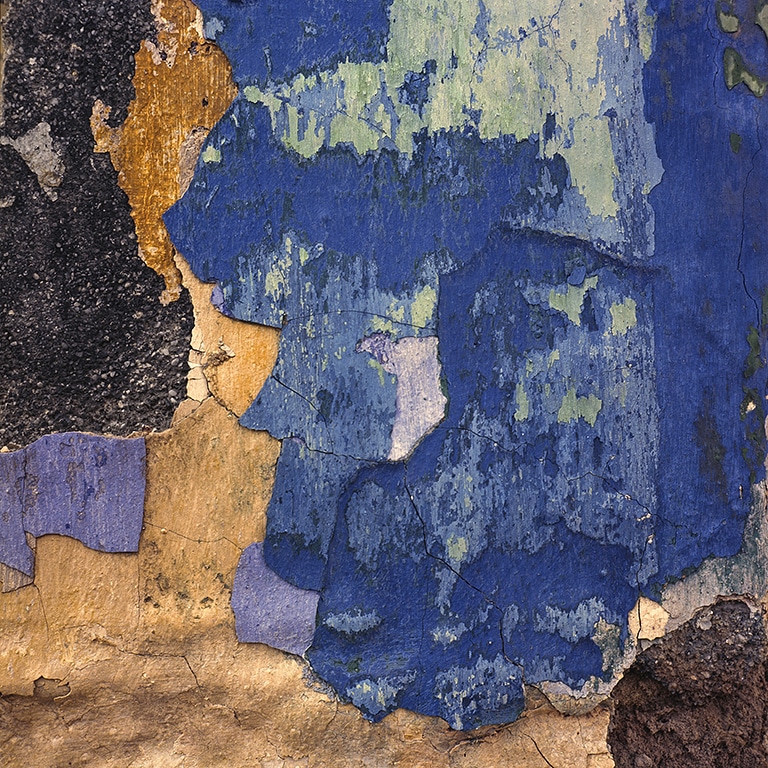
Pérez Siquier
Untitled, 1965.
Later print, ink jet print
Fundación MAPFRE Collections
© Pérez Siquier, VEGAP, Barcelona, 2026
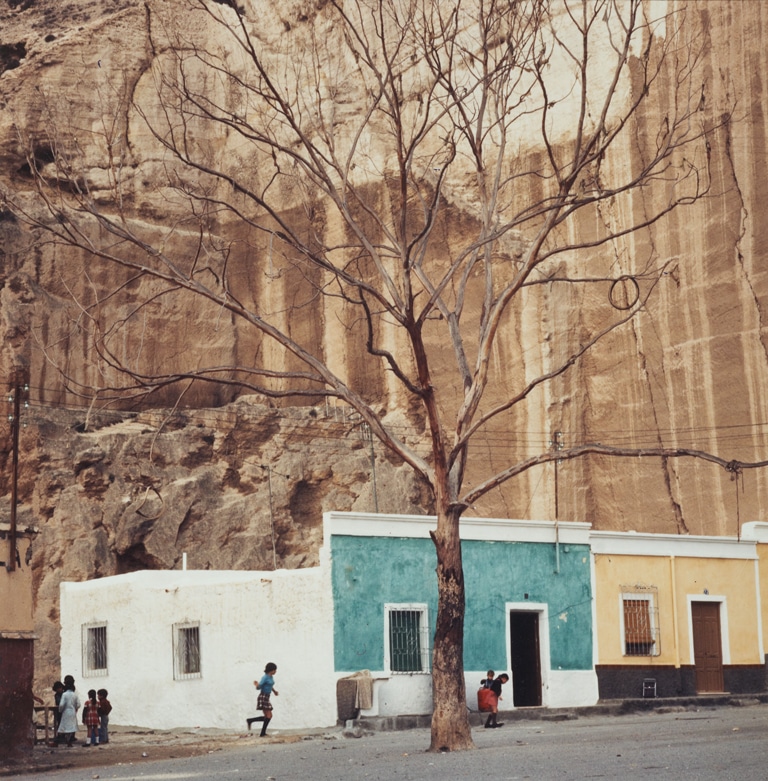
Pérez Siquier
La Chanca, Almería, 1963.
C-print on Fujichrome photographic paper
Fundación MAPFRE Collections
© Pérez Siquier, VEGAP, Barcelona, 2026
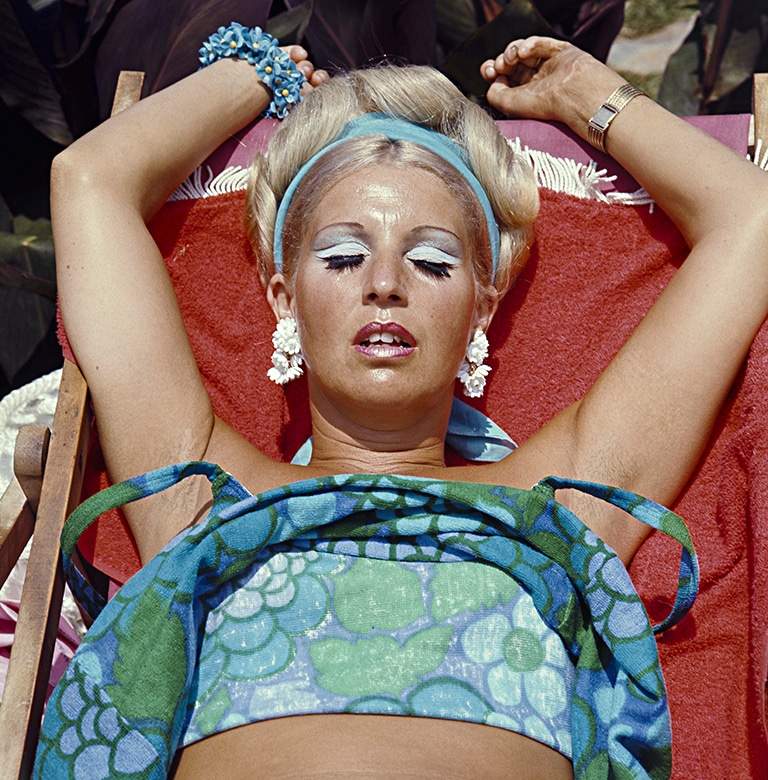
Pérez Siquier
Marbella, 1974.
Later print, ink jet print
Fundación MAPFRE Collections
© Pérez Siquier, VEGAP, Barcelona, 2026
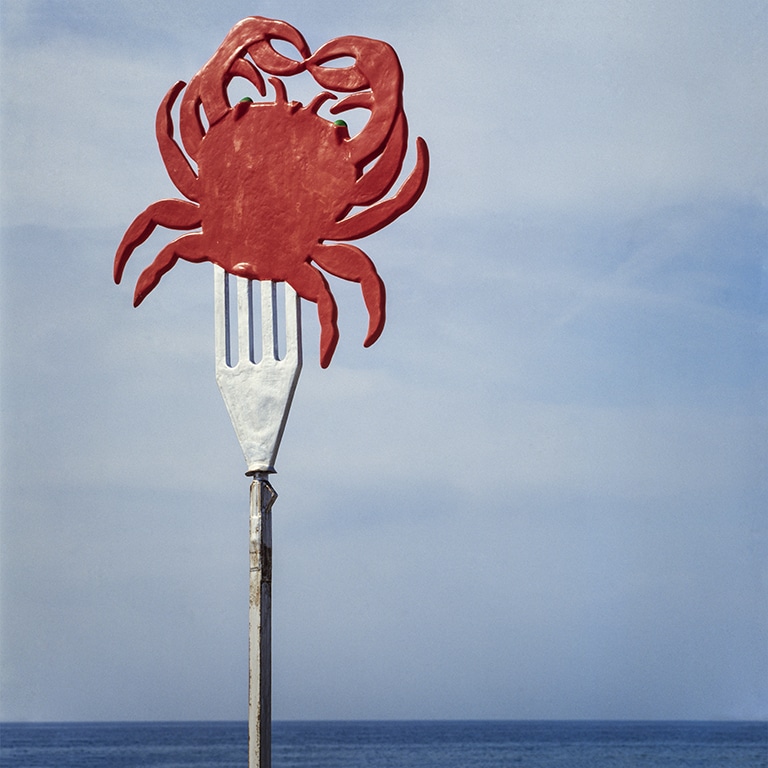
Pérez Siquier
Cádiz, 1980.
Later print, ink jet print
Fundación MAPFRE Collections
© Pérez Siquier, VEGAP, Barcelona, 2026
Pérez Siquier in response to Emilio Carrión, AFAL no. 11, September/October 1957.